Steampunk Flowers for Crafts and Design
Aesthetic First Impressions
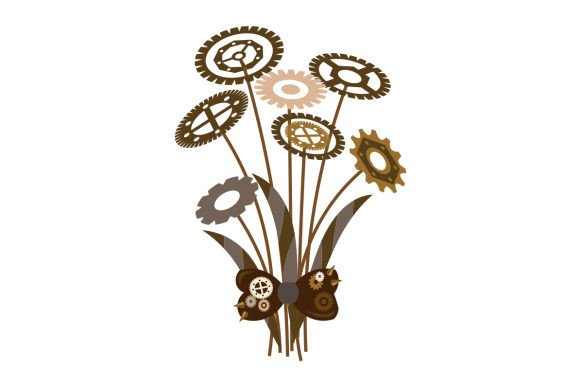
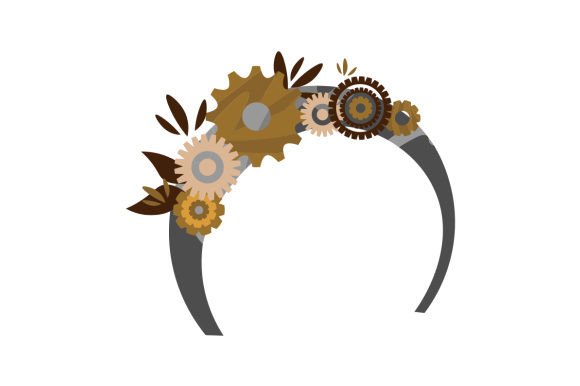
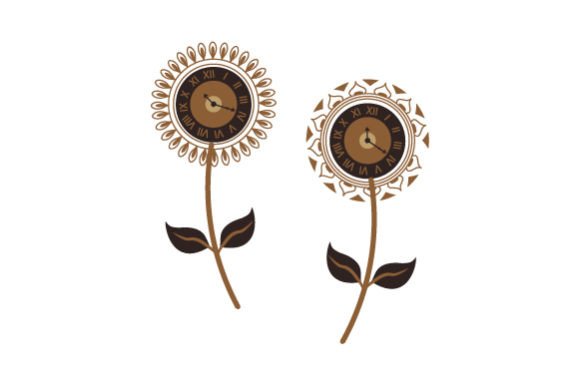
The first glance at Steampunk Flowers immediately evokes a sense of vintage charm with a mechanical twist. The design blends intricate floral elements with industrial textures, creating a visual narrative that feels both nostalgic and innovative. This unique fusion makes it ideal for projects that require a touch of whimsy paired with a hint of sophistication.
Design Context and Client Fit
Steampunk Flowers is particularly well-suited for small businesses in the handmade and craft industries. Imagine working on a brand identity for a boutique that sells handcrafted accessories or a seasonal campaign for a local artisan fair. The design's rich details and thematic consistency can help establish a cohesive visual language that resonates with the target audience.
Practical Use in Real Projects
Steampunk Flowers performs admirably in various design scenarios. It works exceptionally well in logo design, where its ornate yet approachable style can add character without overwhelming the composition. For product labels and packaging design, the asset offers a decorative touch that enhances the overall aesthetic without overshadowing the product itself.
In social media graphics and Canva templates, the design adds a unique flair that stands out in crowded feeds. Its versatility extends to t-shirt design, sticker creation, and even sublimation designs, making it a valuable tool for digital sellers and print-on-demand platforms.
Where Steampunk Flowers Shines
Steampunk Flowers excels in large layout areas such as hero graphics and product mockups. It also shines in themed collections and campaign visuals, where its thematic depth can unify multiple assets under a single creative vision. As a decorative accent, it can elevate simple designs into more engaging and visually appealing compositions.
Where to Use with Caution
However, designers should exercise caution when using Steampunk Flowers in small sizes or complex backgrounds. The intricate details may lose clarity at smaller scales, and it might not integrate smoothly into minimalist branding or professional corporate materials. Additionally, its high contrast and detailed textures could compete with other design elements in crowded layouts.
Impact on Design Quality
The use of Steampunk Flowers can significantly influence readability and visual hierarchy. While its ornate style adds character, it’s important to balance it with clean typography and spacing to maintain legibility. Brand consistency is key—ensuring that the design aligns with the overall brand voice and visual tone will enhance recognition and trust.
From an emotional appeal standpoint, the design has the potential to engage audiences through its storytelling quality. The blend of nature and machinery creates a unique emotional resonance that can foster deeper connections with viewers. This makes it particularly effective for marketing visuals and editorial design.
Designer Notes and Best Practices
Before integrating Steampunk Flowers into a client project, it’s essential to test it in black and white to ensure it maintains visual interest without color. Checking contrast on both light and dark backgrounds will help determine its adaptability across different mediums.
Previewing the design at small and large sizes is crucial to assess scalability. Placing it on real mockups and testing print quality will provide insight into how it performs in physical formats. Inspecting the PNG transparency and reviewing SVG editability are also important steps, especially for digital and printable applications.
Comparing the design with different font styles—serif, sans serif, script, and display—can reveal how well it complements various typographic choices. Confirming the commercial license is a final but vital step before using the asset for any business project.
Conclusion and Final Thoughts
Steampunk Flowers is a versatile graphic design asset that brings a unique aesthetic to a wide range of projects. Whether you're designing for a small business, a seasonal campaign, or a digital marketplace, this design can add depth and character to your work. By understanding its strengths and limitations, designers can effectively incorporate it into their creative toolkit.